

I remember watching my high-school students discuss The House of Bernarda Alba and realizing the conversation wasn’t going particularly well.
They knew the play. They had ideas about Lorca’s use of symbolism, characterization and setting. I had given them interesting questions to explore.
But one confident student provided much of the interpretation. Others summarized the text or nodded along. Occasionally, someone added an unrelated observation before the conversation moved on.
Technically, they were having a group discussion.
But they weren’t really thinking together.
For our next discussion, I decided to change the conditions.
Making Collaboration Visible
This time, students tracked their participation.
Had they asked a question?
Contributed an interpretation?
Agreed or disagreed with someone?
Built upon another person’s idea?
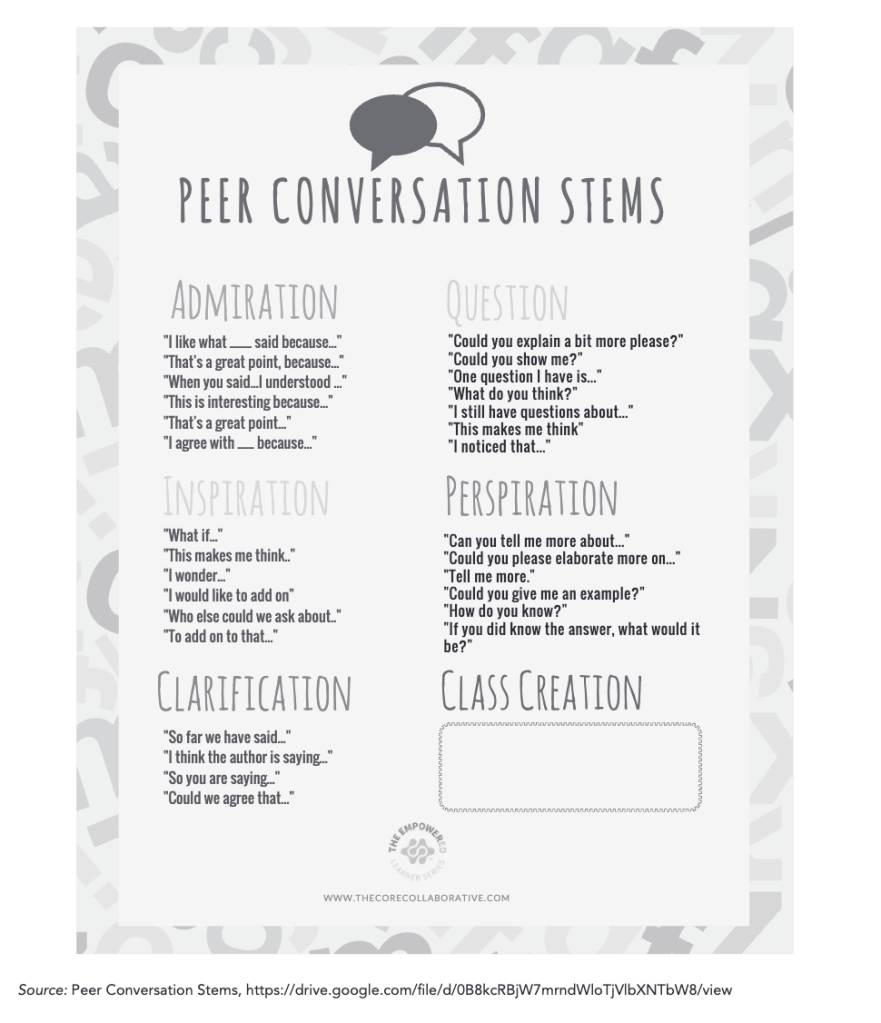
I also provided sentence stems. Rather than simply saying I agree, students could say:
“I agree with ___ because…”
If they didn’t understand:
“Could you explain a bit more?”
And instead of introducing an entirely separate idea:
“To add on to that…”
These were small changes, but the conversation was noticeably different.
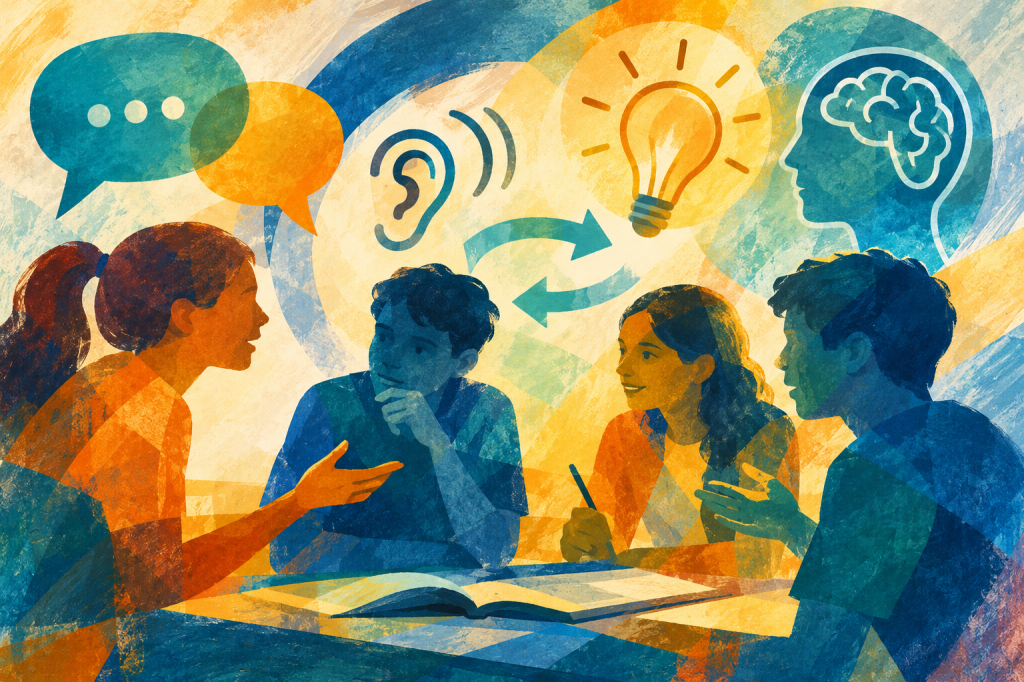
Students started speaking to one another, rather than simply in front of one another.
That experience made me realize that I had been explicit about the academic learning I expected, but much less explicit about the social learning required to accomplish it.
What If We Had Social Learning Intentions?
As teachers, we spend considerable time thinking about academic learning intentions.
For this discussion, mine might have been:
Analyse how Lorca uses symbolism to develop ideas about repression.
But what if I had also articulated a social learning intention?
Build upon, question and challenge the interpretations of others to develop a collective understanding of the text.
Now I am teaching two things simultaneously.
Students are learning to analyse literature, but they are also learning how to participate in the kind of academic discourse that can deepen that analysis.
That distinction matters because discuss this with your group contains a surprising number of hidden expectations.
Students need to know how to enter a conversation, ask for clarification, disagree respectfully, extend an idea and change their thinking in response to someone else’s contribution.
If those behaviours matter, perhaps I shouldn’t leave students to figure them out for themselves.
From Collaboration to Collective Efficacy
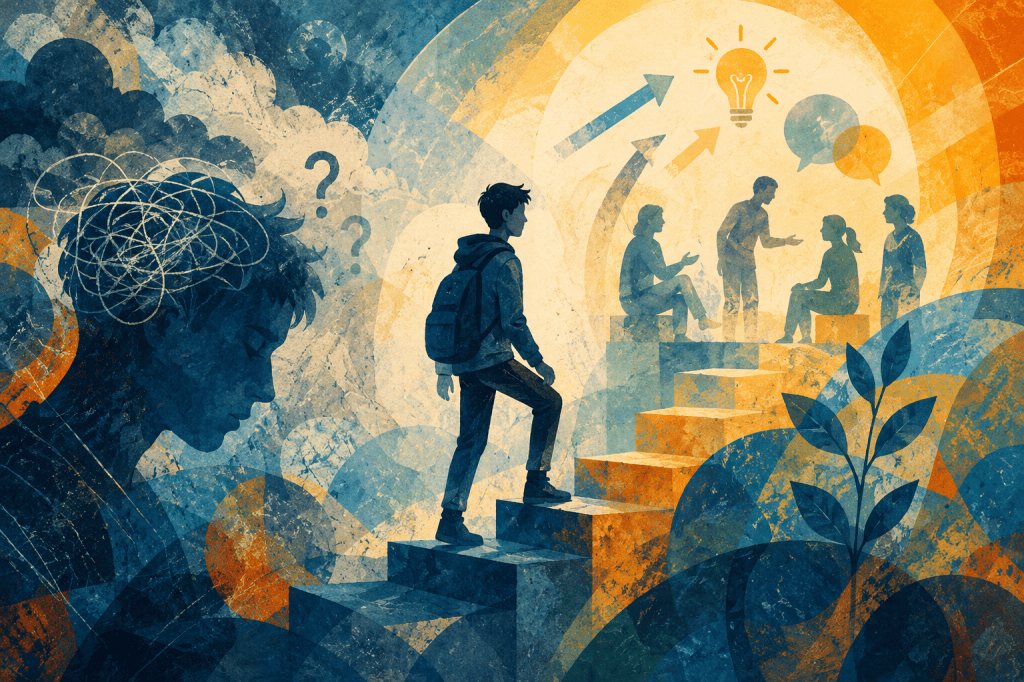
Putting students into groups doesn’t automatically create collective student efficacy. Students need experiences that give them reason to believe that learning with other people can make them more capable.
A successful academic discussion can provide exactly that experience.
A student begins with one interpretation. Someone challenges it. Another student provides evidence they hadn’t noticed. The original student revises their thinking.
Suddenly, the value of collaboration is tangible:
My ideas matter.
Other people’s ideas can improve mine.
I know how to contribute.
Disagreement can strengthen our thinking.
Together, we can understand something that none of us fully understood before.
That is considerably more powerful than simply ensuring everyone has spoken.
We Have to Teach Collaboration
I began this series thinking about collective efficacy among teachers. But the more I think about it, the more similar the challenge appears in my classroom.
Neither teachers nor students develop collective efficacy simply because we put them together.
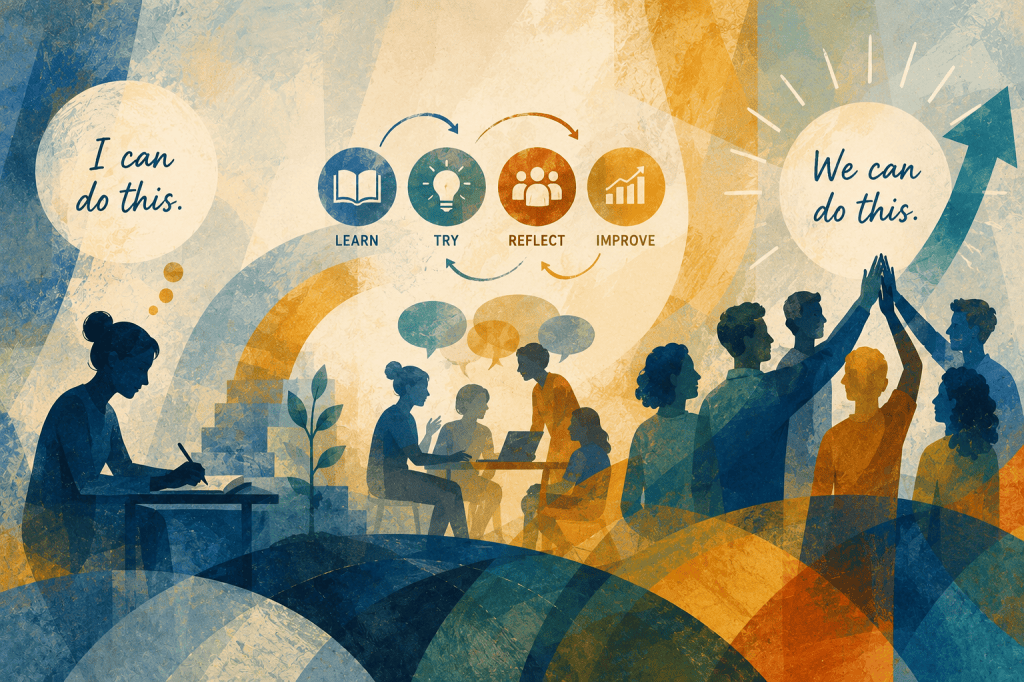
We build it through shared goals, explicit expectations, meaningful opportunities to contribute and repeated experiences showing us that our thinking can become stronger when we genuinely learn with one another.
If collaboration matters, then perhaps it deserves something we routinely give other important learning:
an explicit learning intention and deliberate instruction.


Leave a Reply