

Marcella Cooper
Working with my Grade 10 students on writing analytical essays, I noticed that some students were still relying on surface level summaries. Although they saw the negative impact it was having on their grade (where literary analysis is a criterion strand that is explicitly evaluated), it was difficult for them to understand why. They felt they were explaining their thoughts effectively as the task required and had been writing this way in previous grades with relative success.
Drawing upon Lewin’s Change Management Model (Aldeman 1993), I experimented with first developing their awareness of why change was necessary. Then, I moved onto developing new literacy habits. Finally, I cemented their newly adopted analytical writing skills by positively reinforcing the behaviour.
Let’s dig deeper into why this model works and how it can work for your classroom.
What is Lewin’s Change Management Model?

Kurt Lewin, a German-American psychologist, developed Lewin’s Change Management Model in the 1940s. Originally, it was designed to address social and organizational change, particularly in group dynamics and leadership. Lewin, known as the father of modern social psychology, created this model to understand how behaviors and structures could be modified in various settings, including workplaces and communities.
His three-stage model (Unfreeze, Change, Refreeze) was intended to help organizations implement effective transitions by first preparing individuals for change, guiding them through the transition, and then solidifying new behaviors. While it was initially applied to business and leadership contexts, the model has since been widely used in education, healthcare, and psychology to drive behavioral and systemic change.
Just as change is difficult for organizations, there is often a resistance to change in the classroom as well. Literacy habits like reading comprehension, writing fluency, and analytical thinking are foundational to academic success and lifelong learning; however, these skills do not develop automatically. They require structured transformation through intentional, research-backed strategies. Lewin’s Unfreeze, Change, Refreeze model helps explain why and how this transformation should take place.
Unfreezing: Recognizing the Need for Change
Why Students Resist Change in Literacy
Students often rely on ineffective reading or writing habits. Even when teachers explicitly teach new strategies and provide opportunities for students to practice these much more effective strategies, students can resist change. According to a study by Dembo and Seli (2004) explanations for failure to change include:
- students believe they can’t change
- they don’t know what to change
- they don’t know how to change
Many students do not realize that they can change specific behaviours in specific ways that will result in great academic performance and personal growth.
How to Help Students Unfreeze
Provide examples of the assessment for students to critically evaluate. For example, Newlyn (2013) suggests that case for exemplars because feedback on marked assessments is too late for students make positive changes in their behaviour. As well, students generally have a desire to see what their finished product should look like; exemplars could improve students’ understanding of the assessment’s criteria, thus improving their final performance.
Use data (i.e. learning analytics) to highlight learning gaps. Stephens (2024) outlines several types of learning gaps:
- Knowledge gap: A student does not know or hasn’t been exposed to particular background information, which prevents a true understanding of new content.
- Skills gap: A student lacks practice or mastery in a particular skill or skill set. In short, they don’t know how to apply the knowledge that they have.
- Motivation gap: A student does not have the desire or motivation to learn. This lack of engagement may not necessarily indicate indifference, but rather could be attributed to other external factors.
- Environmental gap: A student does not have access to a suitable and supportive learning environment. We saw many instances of this gap during COVID remote learning.
- Communication gap: A student lacks clear communication about particular knowledge and/or expectations. This gap may be language or culturally based, but sometimes may be due to a learning difference such as an auditory processing disorder.
Develop metacognition skills like reflecting, goal setting, and accurate self-assessment. Malhotra and Gill (2024) revealed a positive relationship between metacognition and academic performance, highlighting the importance of nurturing metacognitive abilities to optimize their learning experience and achieve academic success.
Changing: Developing New Literacy Habits
Once students have gained an awareness of why they need to change, they can move onto practice new behaviours that will lead them to success. It is important to note that there is not standard timeline; the Unfreezing Stage may take 1 day, 1 week, or 1 year, depending on how ingrained the ineffective habit is.
Key Strategies for Shifting Literacy Practices
Scaffold the process. Scaffolding breaks down tasks into achievable steps, making identifying problems easier (Khatri, 2021). It reduces the amount of anxiety, uncertainty, and confusion over assessment expectations. As the student gains confidence, scaffolds can be gradually removed until the student is able to consistently perform the behaviour on their own.
Use guided practice.
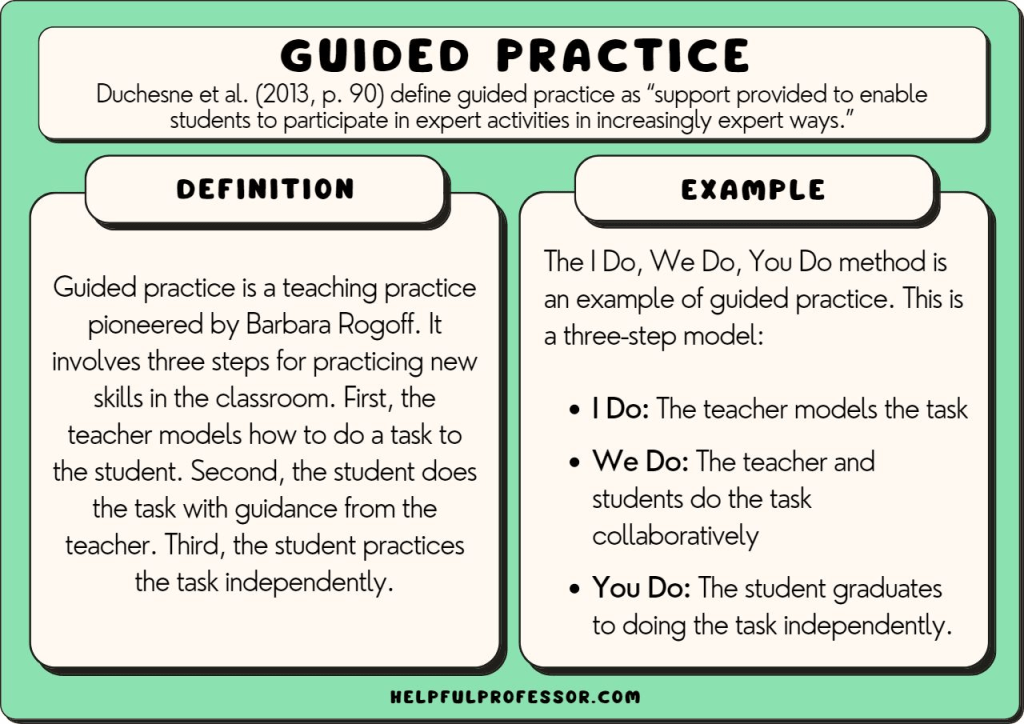
Explicitly teach literacy strategies such as annotation techniques, paragraph structuring, and textual analysis.
3. Refreezing: Reinforcing and Sustaining Literacy Growth
Once effective habits have been learned, practiced, and consistently employed, it is time to “refreeze” those habits. Often times, student revert back to their old habits because of lack of consistent practice or that strong literacy is only for English class.
How to Make Literacy a Habit
Embedding literacy expectations across subjects not only improves literacy but also the subject content. According to Kirsten (2019), “improved teaching of literacy across disciplines therefore enhances not only language learning, but also content learning”. This means explicitly teaching skills such as writing in all disciplines:
- lab report writing in Science
- literary analysis in English
- justification and explanation in Math
Use portfolios to track literacy growth. The literacy portfolio is considered a “purposeful collection of student work and records of progress and achievement assembled over time” (Valencia and Calfee 1991, p. 335). It is used to highlight learning, to plan instruction, and to provide a valuable tool for assessment and student self-assessment. This article “Documenting Learning Through Portfolios” provides an excellent “how-to” guide for those interested.
Provide targeted ongoing feedback and celebrate student progress to reinforce the habit you want to refreeze. The Australian Institute for Teaching and School Leadership (AITSL 2009) highlights the importance of feedback in improving student learning outcomes. Research shows that high-quality feedback can improve student learning by up to eight months in a year (Hattie & Timperley, 2007; Wiliam, 2010 as cited in AITSL, 2009).

Conclusion
Lewin’s Change Model provides a structured, step-by-step approach to literacy improvement by helping educators unfreeze outdated practices, implement evidence-based strategies, and refreeze effective techniques into daily instruction. By breaking down change into manageable phases, teachers can create lasting, meaningful improvements in student literacy.
I encourage you to try one small literacy strategy—whether it’s incorporating more formative feedback, modeling metacognitive reading strategies, or increasing student-led discussions. Observe how your students respond, take note of their progress, and reflect on what worked. Meaningful change starts with small, intentional steps—what will yours be?
Leave a comment: What’s one literacy challenge you’d like to address in your classroom?
References
Adelman C. (1993). Kurt Lewin and the origins of action research. Educational Action Research, 1, 7-24.
Australian Institute for Teaching and School Leadership. (2009). Reframing feedback to improve teaching and learning. AITSL. https://www.aitsl.edu.au
Blackburn, B. R. (2024). Scaffolding for success: Helping learners meet rigorous expectations across the curriculum. Routledge.
Dembo, M. H., & Seli, H. P. (2004). Students’ resistance to change in learning strategies courses. Journal of Developmental Education, 27(3), 2–4, 6–8, 10–11.
Khatri, P. (2021). The importance of scaffolding. Writing across the University of Alberta, 2(1), 33–36. https://doi.org/10.29173/writingacrossuofa21
Kirsten, N. (2019). Improving literacy and content learning across the curriculum? How teachers relate literacy teaching to school subjects in cross-curricular professional development. Literacy, 53(4), 368–384. https://doi.org/10.1111/lit.12193
Malhotra, N., & Gill, S. K. (2024). Exploring the relationship between academic performance and metacognition. Indian Journal of Positive Psychology, 15(1), 28–31.
Newlyn, D. (2013). Providing exemplars in the learning environment: The case for and against. Universal Journal of Educational Research, 1(1), 26–32. https://doi.org/10.13189/ujer.2013.010104
Stephens, D. (2024, December 17). How to identify and address learning gaps in education. Nearpod. https://nearpod.com/blog/learning-gaps-education/
Valencia, S. W., & Calfee, R. (1991). The development and use of literacy portfolios for students, classes, and teachers. Applied Measurement in Education, 4(4), 333–346. https://doi.org/10.1207/s15324818ame0404_6


 Research for Teachers
Leave a comment